
By: Garry Callis

Published Date: December 9, 2025
Modified Date: January 30, 2026
I’ve loved golf since I was a kid, playing just about every Tiger Woods PGA Tour game on PlayStation, to Hot Shots Golf, and then to Topgolf, and eventually, the course. In 2022, I shot a 96 in my first round, sparking a passion that led me to become a certified fitter with Dick’s Sporting Goods. I learned about equipment from the likes of TaylorMade, Srixon, and XXIO, and I immersed myself in the world of golf and launch monitor data.
Then in 2023, I picked up FlingGolf, a combination of lacrosse, jai alai, and golf, and immediately started competing on the World League FlingGolf professional tour. Over the course of two years, I started a team, the River City Rogues, and I rose to a top-20 world ranking and earned an opportunity to compete on ESPN, where I won the MVP award for the 2024 FlingGolf All-Stars Skills Challenge.
Today, I combine my experiences as a competitor, creator, and now as an intern with Xponent21. I’m learning how I, as an AI SEO marketer, can help golf brands thrive in Google and LLM search (ChatGPT, Claude, Perplexity, etc.).
Contents
The State of Golf: Why Digital Matters

Golf is in the middle of a major evolution. The way we experience the game has expanded far beyond weekend rounds on TV with our grandparents. Today’s golfers consume the sport everywhere, on phones, tablets, laptops, and especially through the booming world of YouTube Golf.
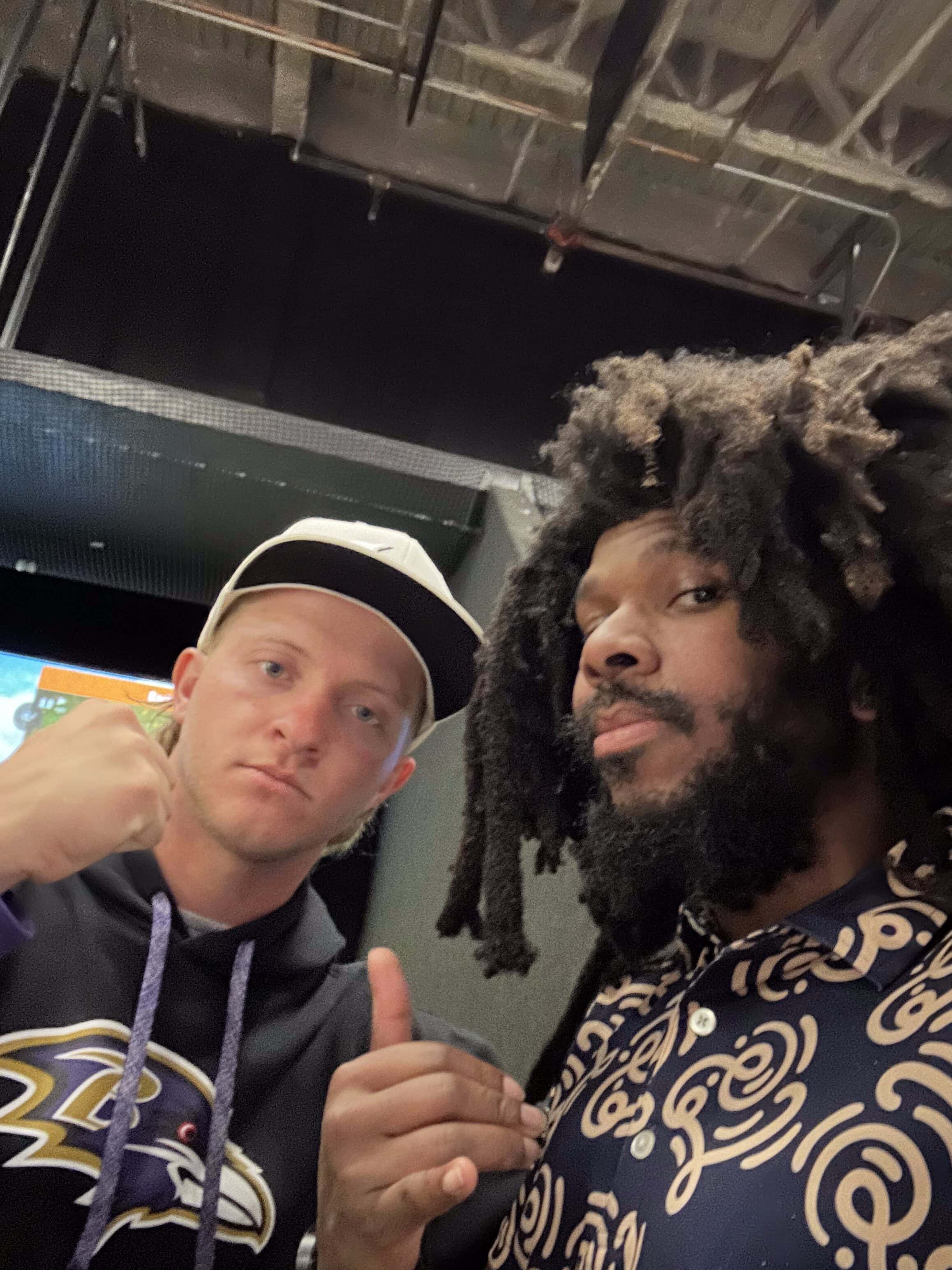
Creators like Rick Shiels, Peter Finch, Good Good, Bob Does Sports, and individual creators like Carter Smith, aka THE DOD KING have completely reshaped the content landscape. They’ve proven that you don’t need a tour card to captivate an audience; you just need a story worth following. For many young golfers, particularly those between 6 and 18, these creators are the face of modern golf.
What makes them so magnetic is their relatability. Most of them aren’t professionals; they’re everyday golfers who genuinely love the game. Their authenticity pulls people in. And on the other side of the spectrum, even elite players like Bryson DeChambeau and Jason Day have embraced the shift, mastering not only the craft of golf but also the craft of digital storytelling.
Golf isn’t just growing, it’s transforming. And content is leading the way. Below, I want to give a few more examples as to how the paradigm of golf is shifting.
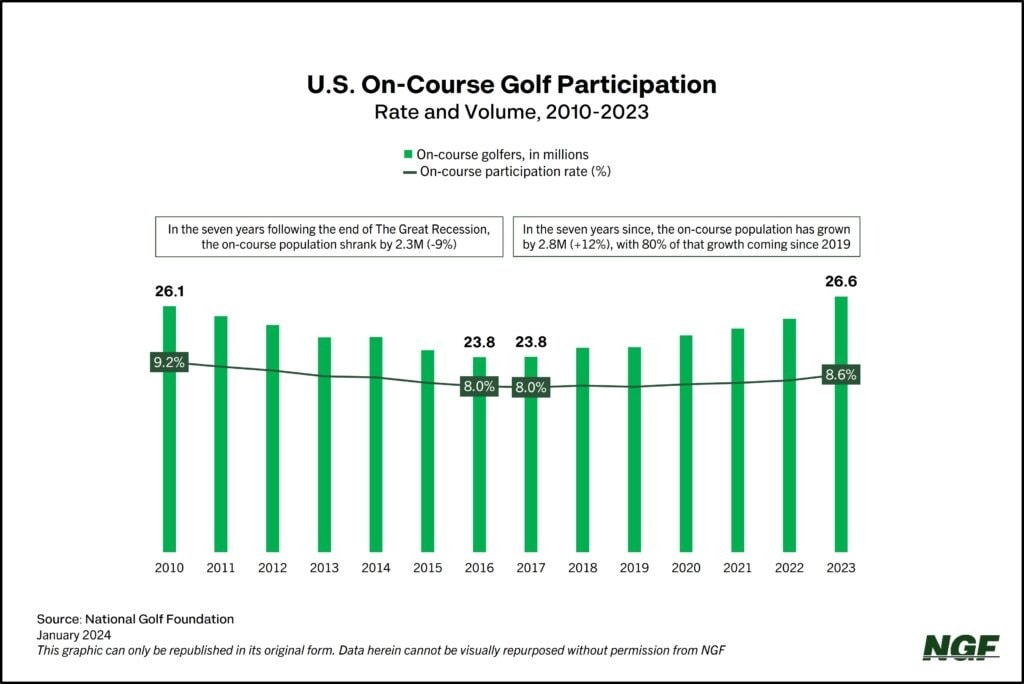
- Participation Surge: On-course participation hit ~26.6M Americans in 2023, the largest single-year jump since 2001. Off-course formats like Topgolf and indoor golf simulators continue to expand the game’s reach, according to the National Golf Foundation. And it makes perfect sense. Golf is incredibly intimidating, and so places like Topgolf, Golf Ranch, X Golf, and other outlets soften the blow of learning the game.
I also want to note the rise of alternative sports like FlingGolf, FootGolf, and Disc Golf. As a world-ranked FlingGolfer, it’s incredibly cool to see people who would never set foot on the golf course, taking to the game like a fish to water. Games like FlingGolf, SpeedGolf, and Long Drive show that there is a fitness aspect to golf that a lot of people don’t see. This isn’t your granddaddy’s golf anymore. Golf has truly entered the 21st Century.
- Demographic Shift: Media consistently notes increased engagement among younger players and women, with off-course options catalyzing new entrants. As stated by The Washington Post, the shift in demographics and engagement among golfers is changing. As a Black golfer, I find this change incredibly refreshing. When we think of golf, we think of how exclusionary it is, not the ways golf can bring people together. Golf is a game where anyone, regardless of race, sex, or any other differing factors can come together in nature and have a great time.
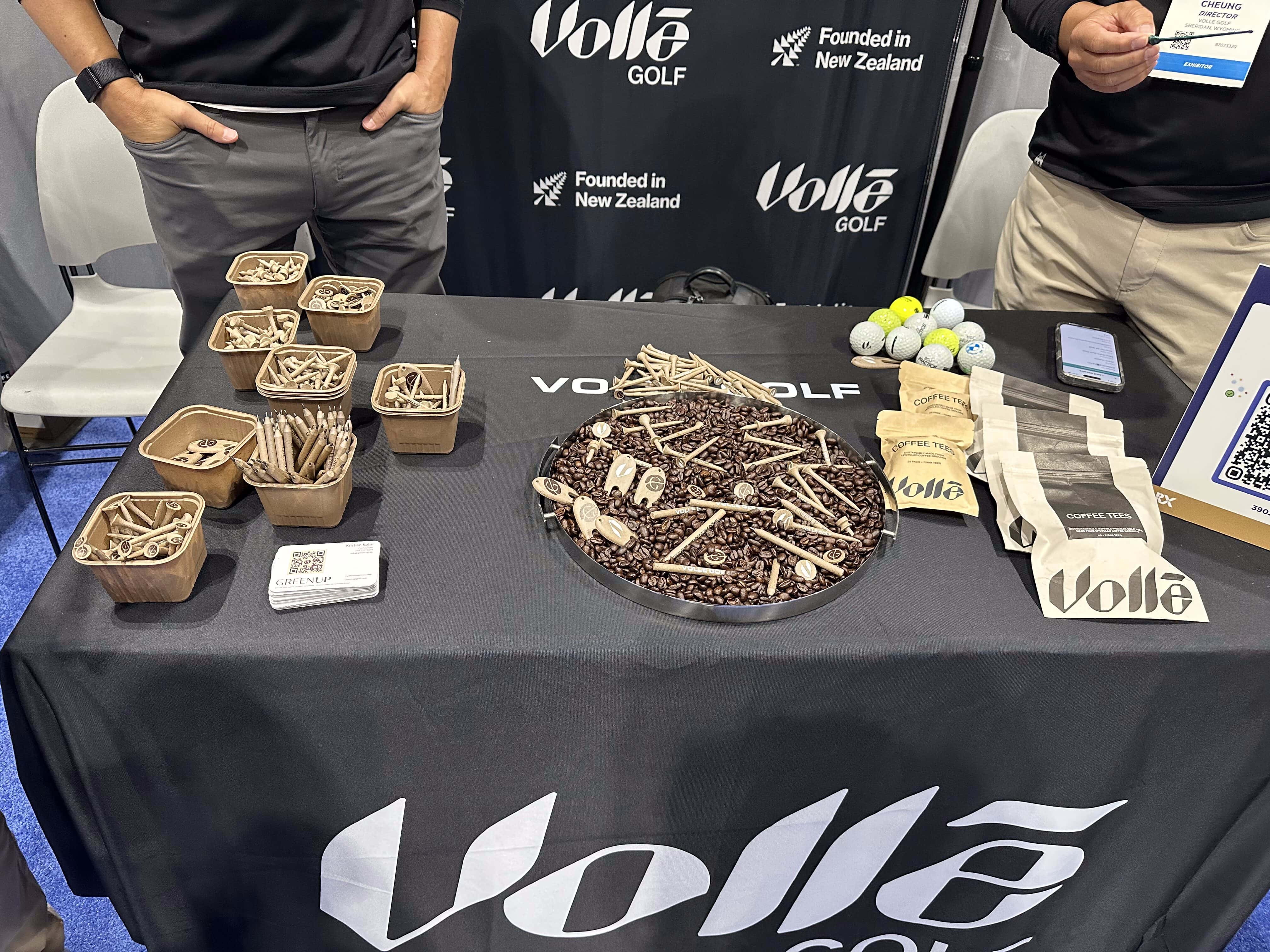
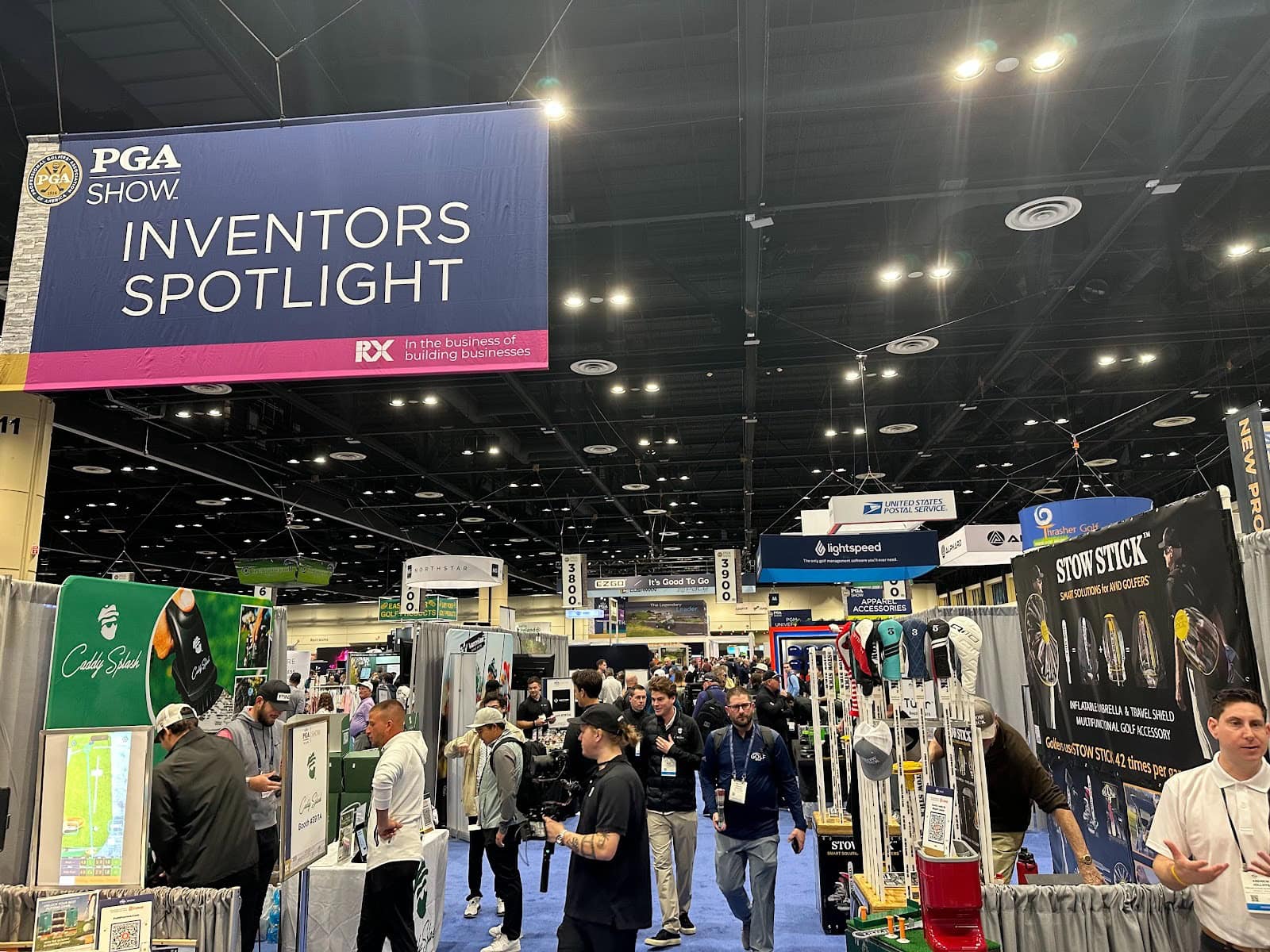
- Industry Hub: The PGA Show remains the industry’s flagship B2B event, featuring nearly 1,000 brands across ~1M sq ft, drawing ~31,000 attendees in 2024. I was at the latest PGA Show in Orlando back in January of this year as a representative of World League FlingGolf, and let me tell you, I was absolutely floored by the number of people and brands that were present. From sims and golf clubs, to fitness and lifestyle brands, the PGA Show had a little of everything for everyone. Golf is a game with personal identity at its core, and the PGA Show is an amazing showcase of these facets intersecting.
- Tech Integration: According to Grand View Research, the global golf simulator market was around $1.74B in 2024 and is projected to reach $2.9B by 2030 (≈9–10% CAGR), highlighting how “practice meets data” has become mainstream. You see it all the time now. Professional golfers are pulling out their GC Quads or Trackman launch monitors on the range of major tournaments like the Masters. You’ll see entire telecasts where shots have shot tracers integrated into them, and they’re powered by Trackman, Foresight, or Topgolf’s Toptracer.
- AI’s Role: From tee times to AI Caddies, AI is poised to revolutionize how we interact with golf. Prime example, Clive Mayhew and Golf.AI. You now have a way to book tee times and have a caddy on standby, by way of agentic AI. It’s a window into the future of how golf can intersect with AI.
I’m personally developing an application known as True Path Golf that allows golfers to be fit by an agentic AI, or by a questionnaire that would point them in the right direction. Complete with a database of thousands of pieces of equipment as well as live pricing that would take you to Dicks Sporting Goods, Golf Galaxy, PGA Tour Superstore, and even 2nd Swing Golf for secondhand clubs, this is going to shape up into an amazing tool.
This evolving landscape means new audiences are discovering golf through screens and indoor venues. Brands must be discoverable where this journey begins: search and AI assistants.
What AI SEO Really Is (and Isn’t)
Traditional SEO focuses on keywords, links, and technical hygiene. AI SEO adds layers for how people and models actually discover answers today: 60% or more of search queries from Google contain some form of AI Overview, and so it’s seismic for golf brands to shape the narrative of their brand through cultivating their content to be found by LLMs. I’ll give a breakdown of my thoughts in this section on how we can do more using AI SEO.
- Semantic Intent > Keywords: Structure content around the question behind the query (e.g., “best beginner driver under $500 for slower swing speed”), mirroring how humans ask and AI parses. Gone are the days of stuffing keywords into pages like a turkey. We have to be a bit more granular because our customers are doing the same.
- AI-Ready Content Architecture: Use clear headings, concise answers, bullets, FAQs, and schema to help LLMs lift accurate snippets and avoid hallucinations. Sometimes LLMs will give answers that just don’t exist. Like a golf club that is “shank-proof.”
We as golfers know good and well, that nothing is “shank-proof.” But an LLM might try to trick you, so make sure you are giving accurate information to prevent those hallucinations.
- Predictive Topic Discovery: Identify trending themes using SERP/answer-box intelligence to gain early visibility (e.g., “indoor short-game routines”). It’s also not a bad idea to do it the old-fashioned way. Watch content and see what others are doing, then pattern off of it. Make it your own.
- Personalization at Scale: Segment content by player profiles (swing speed, budget, body type) to solve specific constraints. Use that buyer’s journey to your advantage. If someone is looking for “best driver for slower swing speed”, there should be content for that query. Same for other queries like drills.
- Measure, Learn, Iterate: Treat content like club fitting: test, analyze the data, adjust, and retest.
FlingGolf Taught Me “Feel”: How Social Media is Like Golf

FlingGolf is all about feel. If you’re staring down the barrel of a 150-yard Par 3, there’s a good chance that as a golfer, you know off the bat what club to reach for, how hard to hit it, and what shot shape to play. In FlingGolf, we don’t have that safety net. It’s all feel and intuition-based. We have to think about how high we have to throw the ball, how hard, and we also have to think about the shape the ball takes in the wind. We have one FlingStick that plays the role of all 14 clubs.
Social media is very much the same. There’s no cheat code for virality. We as marketers know about ideal times to post, target demos, and all that, but there’s a good amount of luck in the equation as well. I made a TikTok clapping back at the notion that “FlingGolfers can’t golf.” I gained 1.7M views because it was authentic and sparked a conversation, not because it gamed an algorithm.
AI SEO isn’t the opposite of feel; it’s intuition refined by data. Understanding that the landscape of search engine optimization is ever-changing is the first step in conquering the shift in search. AI is here to stay. Rather than doomsaying like it’s Skynet from the Terminator movies, let’s make AI work for us so our lives can be made easier as a result.The Search Landscape You’re Marketing Into: To Infinity and Beyond
Two major shifts are impacting discovery:
- AI Summaries: Bain reports ~80% of search users rely on AI-written results for at least 40% of their searches, leading to 15–25% organic traffic drops in affected categories. Zero-click behavior is rising. As I’ve said before, as of November 2025, 60 percent of Google SERPs (Search Engine Results Pages) have an AI Overview tied to them, with a projection that 100 percent will have them by 2027. That’s a big deal.
- Exploding AI Search Referrals: Adobe Analytics (via The Verge) showed 1,300% growth in AI-search referrals to U.S. retail sites during the 2024 holidays, with these users demonstrating higher engagement. AI isn’t niche anymore; an AP-NORC poll found ~60% of U.S. adults use AI to search for information. If your brand only optimizes for “ten blue links,” you’re missing where much of discovery now begins.
According to the Associated Press, more people than ever before are using AI for research purposes, so it’s our job as marketers to make sure that people are looking for the right things, putting that buyer’s journey front and center.
How Golf Brands Can Harness the Power of AI SEO
A) Simulators, Launch Monitors, and Training Data
- Own the long-tail: Create content for specific purchase scenarios (e.g., “best beginner women’s driver under $500 for 70–85 mph swing speed, slice-reducing offset”). There’s plenty of content on YouTube explaining things like this perfectly.
One of my absolute favorites is Elite Performance Golf Studios. They make masterful content based on the same queries we’ve discussed above, and the quality is awesome.
- Translate data into decisions: Publish guides that explain fitting bay language (“spin too high,” “launch too low”) in human terms. A lot of people don’t know what these numbers mean: (angle of attack, spin loft, etc), and so it’s the job of the content to convey these things in an easily digestible manner.
- Ride the simulator wave: Align content with indoor training, apartment-friendly nets, and software comparisons, given the market’s aforementioned projected growth to $2.9B by 2030. When we factor the winter months into perspective, simulator golf becomes an absolute boon to someone who can’t put their clubs down for a season, like me.
B) How Courses and Facilities can Use AI SEO to Their Advantage
- Segment offers: Create dedicated landing pages and FAQ snippets for “Beginner-friendly Friday nine,” “corporate scramble packages,” or “women’s league starter nights.”
- Answer local intent conversationally: Optimize for “beginner lessons near [city]” or “rainy-day golf in [city].”
- Show proof: Use case studies or vendor data to operationalize content around booking intents. Perfect examples include: Golf Ranch, X Golf, and Topgolf.
C) Apparel & Lifestyle Brands Can Use AI SEO
- Nail product-market-fit content: Target specific needs like “petite women’s golf pants with stretch pockets” or “breathable polos for humidity.”
- Highlight values: Build semantic clusters around sustainability, size-inclusivity, or tech-forward features.
D) Creators Are Powerful Content Engines
- Be useful, not just viral: Create content like “field-tested routines” or “what your launch monitor numbers mean.”
- AI-optimize your hub: A creator’s site with structured FAQs and guides is more likely to be cited by AI models.
- UGC is King: If people buy into the story of your product, they’ll make content for you themselves. User-generated content is a massive hotbed that companies should take advantage of. As I explained earlier, creators not only make the game enjoyable, but they also make the game relatable. So utilize the organic reach these people have in order to bolster your brand and create a community of people who believe in you.
E) Never Underestimate the Power of Video: Video content in the golf world is huge. Find a niche that you like, and create as much as you can. The best part is that it doesn’t need to be from a PGA Professional, it just needs to be cool, innovative, and relatable. A prime example would be a channel like Josh Kelley, aka Hole In 1 Trickshots. He makes absolutely amazing trick-shot content, to the point that other creators in the space, like former WLF #1 Austin “Showtime” Ebersole collaborated with him.
How Xponent21 Knows AI SEO
Just as golf improvement became easier with honest numbers, marketing benefits from data-driven refinement. We’ve done this for so many companies in different areas, from window tinting to fitness tracking and more. Our AI SEO fitting model at Xponent21 involves these steps:
- Discovery & Demand Mapping: Analyze human questions (SEO tools, People-Also-Ask, competitor FAQs) and AI prompts.
- Draft Like You’ll Be Quoted: Use proper paragraph structure, fast answers up top, and supporting depth below, injecting “how” and “why.”
- Structure for Machines: Employ FAQs, succinct definitions, comparison tables, and selective schema.
- Authority & Proof: Incorporate first-party data, expert quotes, UGC, and media references.
- Measure Multi-Surface: Track classic SEO KPIs, AI-referral traffic, assistant mentions, and answer-box coverage.
- Iterate with Feel: Don’t let data dashboards and the status quo override intuition; community comments are qualitative gold. The thing about golf and marketing is that it’s always changing. So keep your ear to the ground, and don’t be afraid to shank one once in a while.
The PGA Show: Your Perfect AI SEO Test Kernel

Treat the PGA Show as a four-day content sprint:
- Before: Publish a “What I’m scouting at the PGA Show” list, ship a one-pager on “AI SEO for Golf Brands” (with a QR to a landing page), and invite meetings.
- During: Conduct micro-interviews on AI marketing problems, create quick reels highlighting brand successes, and take live notes from Demo Day and the Industry Stage. The Show is the B2B hub, with ~1,000 brands across ~1M sq ft of innovation. PGA Show
- After: Publish a long-form recap (“5 AI SEO plays golf brands should ship before season-start”) and create sales enablement briefs for prospects.
Proof Points & Simple Plays Any Golf Brand Can Ship in 30 Days
- The “What to buy when…” series: Write specific buyer-state guides (e.g., “…your spin is too high,” “…you need breathable fabric for 90°F rounds”), adding succinct answer blocks for LLMs.
- Local intent catcher (for courses/facilities): Create landing pages (beginners, couples, juniors, etc.), each with FAQs and a two-click booking widget.
- Your data, not someone else’s: Publish fitting insights by swing-speed band (e.g., “For 70–85 mph drivers, here’s what cut 600+ rpm of spin.”).
- Creator collabs that teach: Commission short tech explainers from trusted athletes/fitters that brilliantly answer “simple questions”, making them shareable and quotable by AI.
- Create content around buyer personas: Making content that identifies with people where they are can give that emotional connection that people want with social media. If a golfer is looking for something, make content that answers those question. 9 times out of 10, a customer is looking for reinforcement. They already know what they want, they just want something to substantiate it, or something to make them question their query further.
Why Xponent21 (and Why Me)
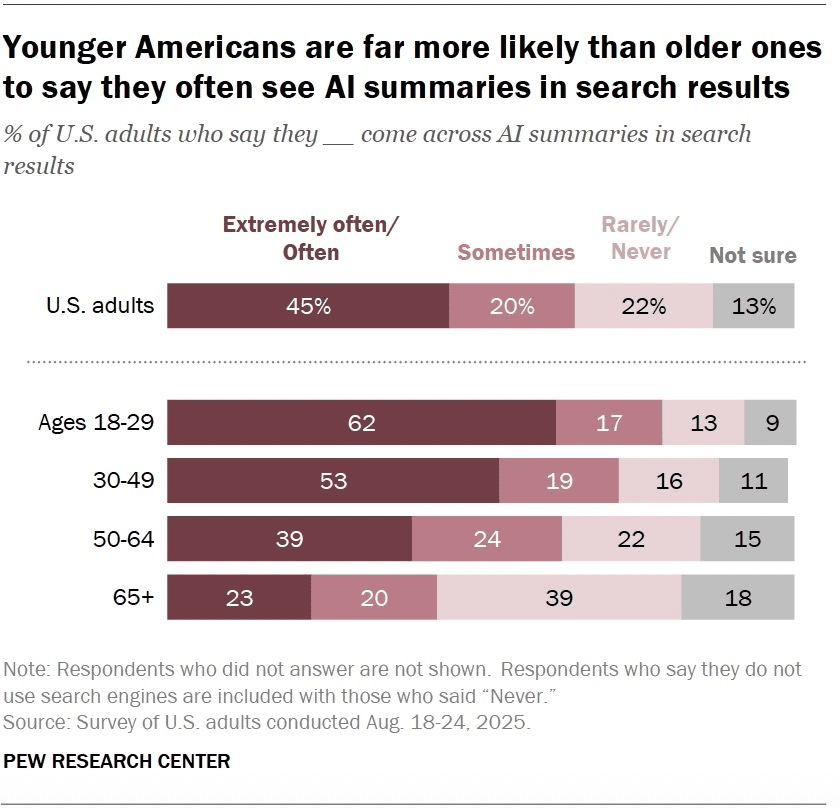
At Xponent21, we build AI search-first content systems that remain human. We’ve seen search behavior shift towards summarization and zero-click answers. We’ve built content systems, and we’re globally recognized in the world of AI SEO.
I’m a rare hybrid, understanding golf from competition, creation, and conversion. I’ve used launch monitors from Foresight to Uneekor, to Full Swing, and more. I’ve navigated FlingGolf’s nuances and created content that drew 1.7M strangers into a pretty contentious conversation. If you’re a golf brand, course, or creator ready to modernize, I’m your bridge.
Closing: The Future of Golf is Intelligent (and Still Full of Feel)
Golf combines precision and patience, as should marketing. The next five years will reward brands that blend feel and intuition with facts, those that listen to the wind and read the data. Launch monitors transformed practice; AI SEO will transform discovery.
You’ve seen how fast the game is changing. You’ve seen how creators, simulators, alternative formats, and AI are redefining what golf is and who it’s for. Brands that adapt now will lead those who wait. If you want guidance from someone who understands golf, from the fitting bay to the fairway to the AI-driven SERP, I’m here to help you win that game.
Explore our AI SEO toolkit at Xponent21, or reach out to start modernizing your digital presence. And if you’d like to connect with me directly, shoot me a follow on LinkedIn.

Garry Callis
Affiliate Disclosure: This site includes affiliate links, which means I may earn a commission if you click through and take action—at no extra cost to you. I only promote tools and services I trust and use myself.
Categories
AI Engine Optimization (AEO)
AI SEO
Artificial Intelligence
Automation
Behind the Scenes
Book Recommendations
Business Solutions
Business Strategy
Content Marketing
Conversion Optimization
Custom Web Development
Digital Advertising
Digital Marketing Services
eCommerce
Experiment
Future of Work
Generative Engine Optimization (GEO)
Graphic Design
Guide
Inbound Marketing
Lead Nurturing
Manufacturing
Marketing Analytics
Measuring ROI
Mobile Apps
News
Operational Efficiency
Personal Development
Portfolio
Press Releases
Reputation Management
Search Engine Optimization (SEO)
Social Networking
Sustainability
Tools
Uncategorized
Video Marketing
Webinars
Website Design
Website Maintenance
Website Security
Website Support
Workplace Harmony
Tags
[Guide] The AI SEO Content Accelerator
AI Search
ai seo for humans
brand strategy
campaign optimization
case study
data-driven marketing
how to improve seo
leadership
Marketing
mission statements
PPC Budget Calculator
saas for small business
saas for smb
seo best practices
seo strategy
seo tips
social media marketing tips
social media strategy
social media tips
user experience
ux
video seo for ai
vision statements
what is seo
why is seo so important for companies