
By: Will Melton

Published Date: October 17, 2026
Whether you’re a student wondering what life is like inside an agency, or you’re simply curious how modern agencies deliver on a multitude of deliverables across channels, this is a look behind the scenes. Paid and organic visibility, conversion optimization, marketing automation, sales enablement, technology, media: all of it is completely intertwined today. And visibility means having a presence across channels.
Xponent21 is 11 years old. Over the life of this agency, there’s been quite an evolution, more than I would have imagined when I started it.
When I began, my sole focus was digital media, because I could see that the world was moving in that direction. More people were cutting the cord. More people were online. More media channels were capturing people’s attention, which meant more competition. And overall, we had better ad products, better measurement, and lower minimum buy-ins. Essentially, we could help clients at any stage of their lifecycle generate sales-qualified leads just by running ads on Google Search, on the Display Network, on YouTube, and across the social channels where customers exist.
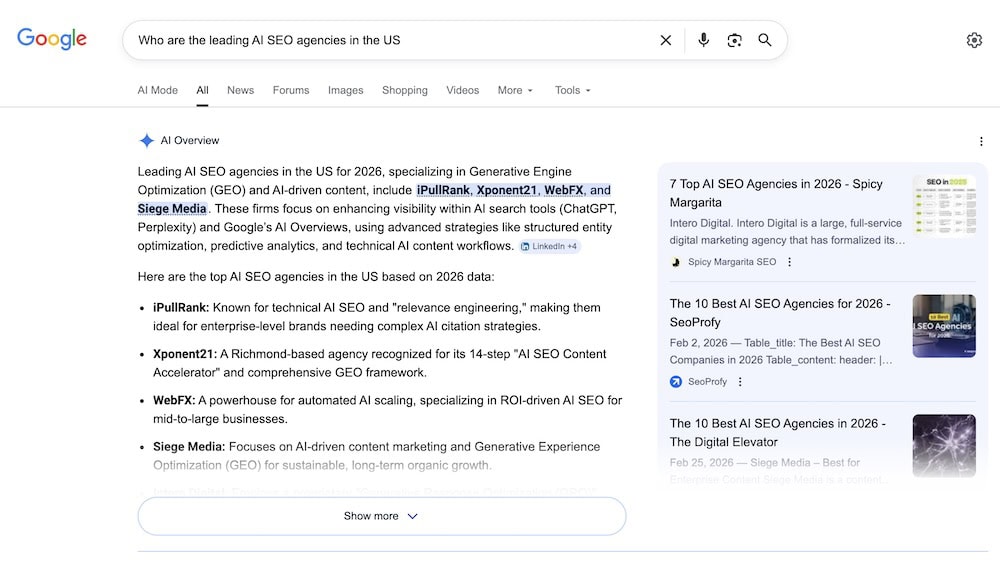
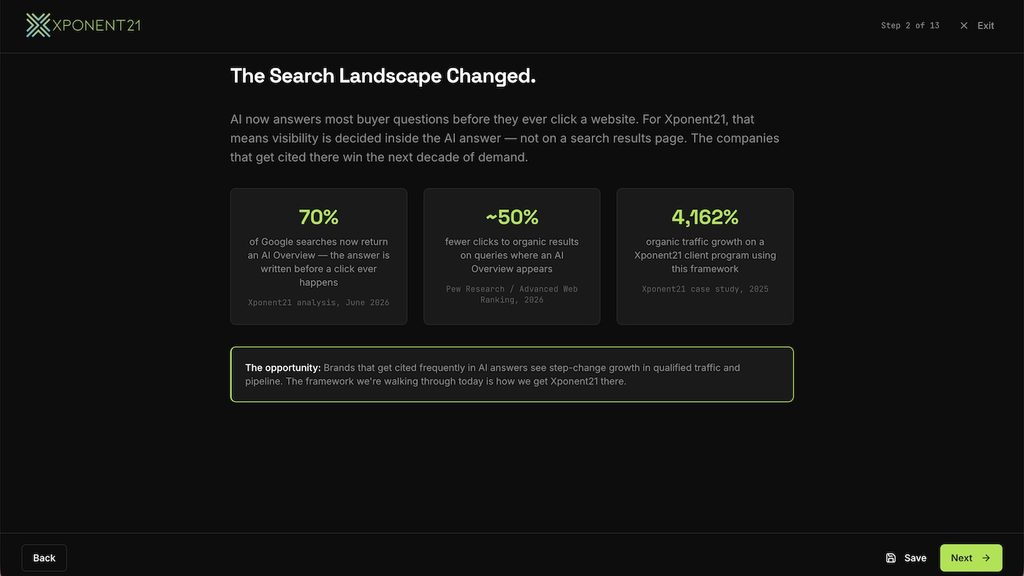
All of those things still matter today, as does SEO on the organic side. If anything, they matter even more, given that AI plays such a dominant role in our discovery journey whenever we’re investigating products or trying to find solutions to challenges in our lives.
We’ve also been building websites for the entirety of our company’s existence, and over that time, the websites have gotten more complex: portals, advanced e-commerce engines, sales enablement tools. We’ve helped clients leverage technologies like HubSpot, Salesforce, and Zoho to connect the customer experience to operations, automate marketing, and improve visibility of performance data.
It was about four years ago, when tools like Jasper came out, that we began experimenting with AI-generated content. We had recently lost a key individual on our team in the content department, and it was a fresh opportunity to try something new. Jasper was quite literally the most amazing thing I had ever seen when we first used it. But it was clear that it was far from perfect. It would require human editors to ensure that content quality remained high, and that relevance and optimization efforts followed what we knew to be best practices, not what generative AI wanted to assemble in order to satisfy the user.
About four months later, ChatGPT launched, and when the app came out, we drove headfirst into leveraging that tool to do the same: generate content, begin inserting our own rules into the process, and control things a little bit more. We still had the same challenge of needing to finesse every piece, not just on the inputs, but also on the outputs.
In 2024, new platforms started to emerge in the realm of content engineering, which is essentially intricate, automated workflows that combine functions with generative AI. We may have an automation sequence that leverages source materials, an overarching strategy, a micro strategy, specific search targets, best and next practices for optimized content, and specific assembly based on a set of rules that we define. All of it is so that we can achieve incredibly high-quality content that meets our standards, exceeds our clients’ standards, and generates reliable visibility in AI systems.

We put a couple of team members through rather intensive training, and we used the platform we started with for a year. In the end, we felt we were too beholden to their development pipeline and their technical limitations. It really seemed like an expensive investment, and we could see quality fluctuating as things changed on the platform. Nonetheless, it saved us time, and it taught us a new skill.
Fast forward, and as that contract wound down, we decided to replace it with our own technology. Over the first six months of 2026, we developed a suite of applications that our team uses to manage the work we do, leveraging a variety of automations, connectivity between applications, and new interface tools to speed up workflows and inputs. While we haven’t replaced our entire technology stack, we have replaced a large portion of it from an expense perspective. And we’ve introduced tools that didn’t exist before.
To give you a sense of what some of those tools are: we created a suite of tools under the umbrella of CARL, the Cognitive AI Ranking Lab. It includes CARL AIO, a management platform that enforces our delivery of optimization and content minimums, manages budgets, retains key client information, and gives clients an interface where they can see data and access their account. We’re still integrating features into it as time goes on, and we’re slowly replacing legacy tools that have presented persistent challenges in our operations, things we’ve been almost desperate to work on but didn’t have the resources to pursue before.
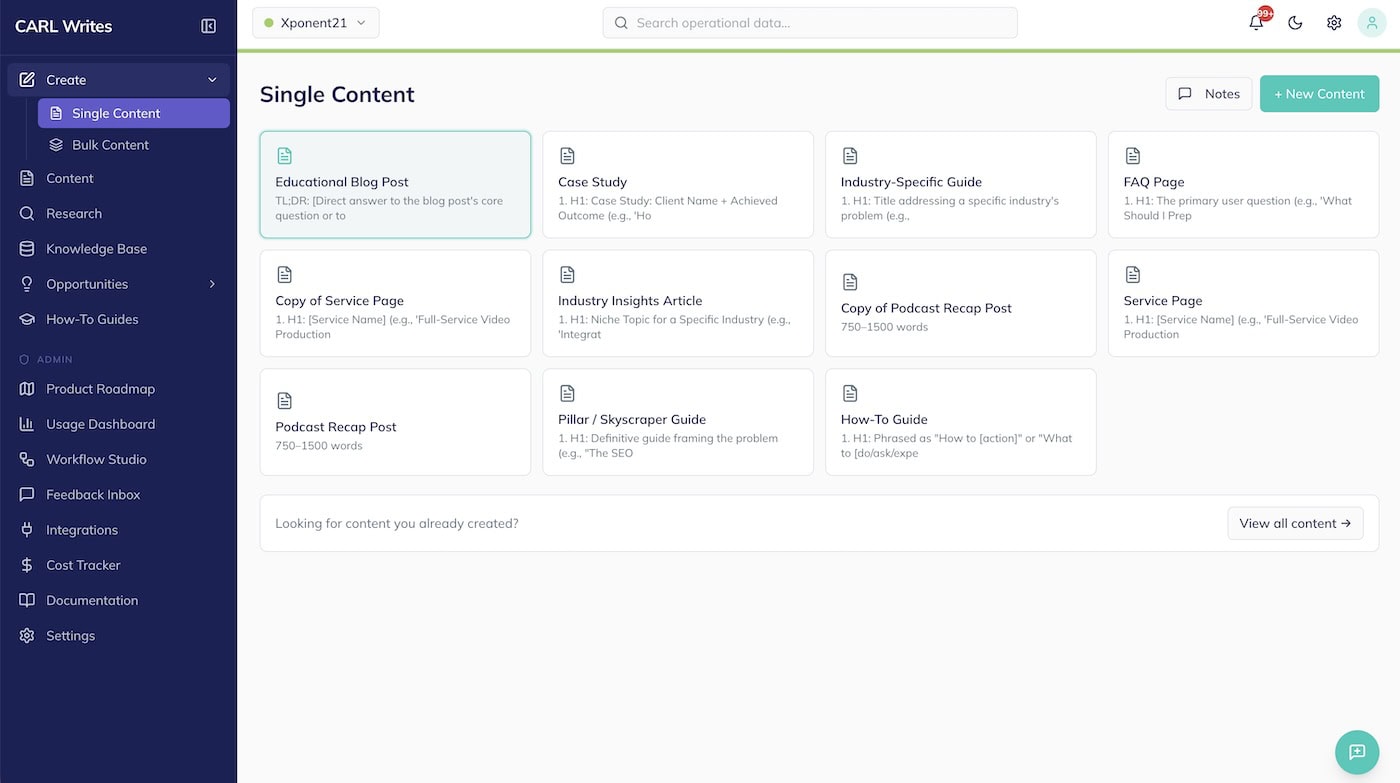
We created CARL Writes, our content engineering platform, which allows us to go to the lengths we wish to go to, control the outputs to our liking, and evolve the development schedule at our own pace. CARL Optimize does exactly what it sounds like: it optimizes existing content that’s been produced.
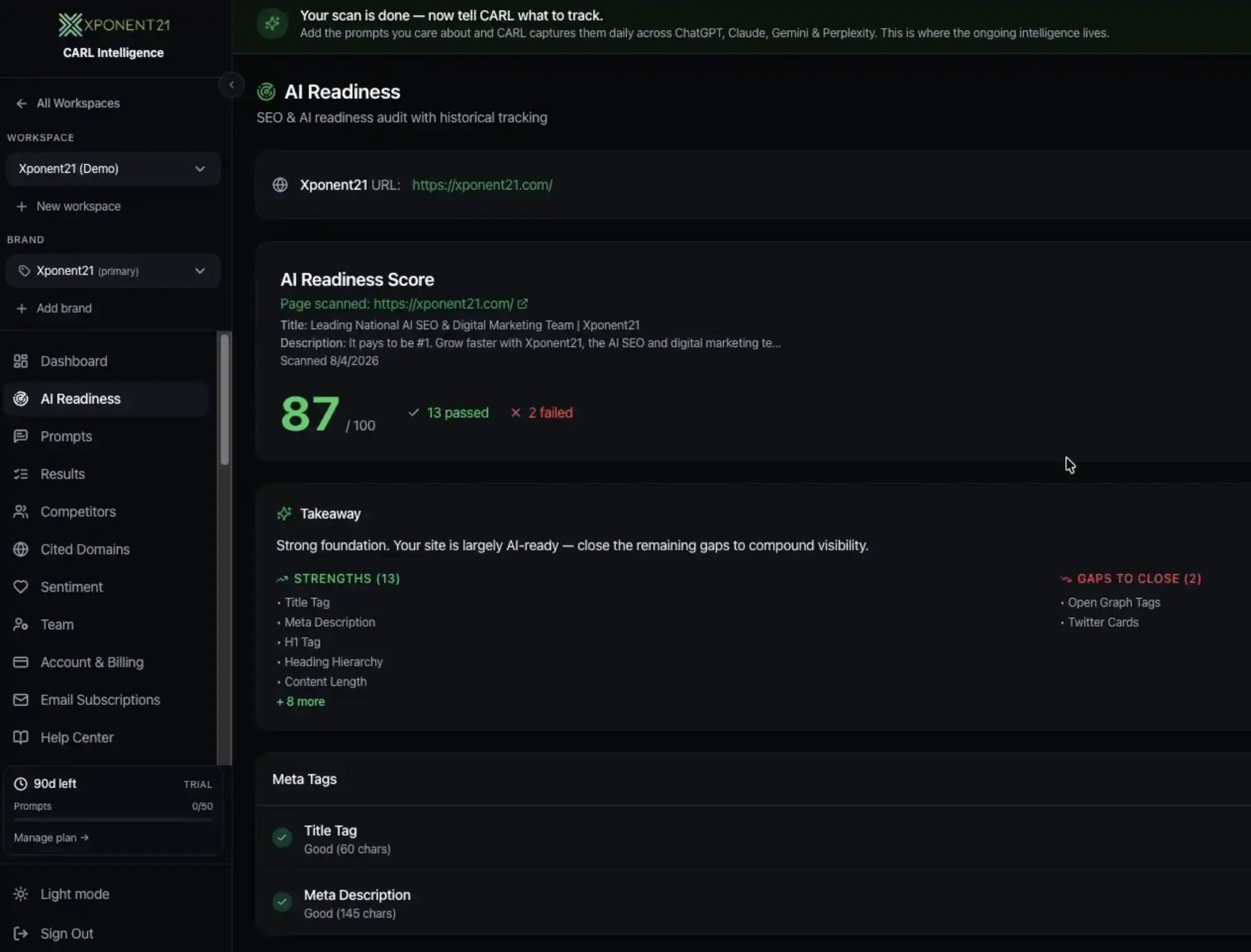
We created an application called Spaceport that serves as a central hub for all the applications we’re building, and as a training environment to inform our team what the various tools do. We’ve introduced CARL Intelligence, an AI visibility tracking platform to compete with what we see as overpriced solutions. We provide CARL Intelligence completely free for up to six months to prospects and clients.
We have a new CRM called Xponent21 Grow that enables us to create proposals, leveraging AI tools and MCP connectors. It reduces the time it takes us to assemble proposals by about 80%. We’ve developed Liberating Facilitator, an application for group facilitation and technology discovery. We built it because it helps teams achieve clarity before they need to develop a solution, and we make it free for facilitators. That way they can achieve that clarity, and we can help them propose the right solution for them. We’ve developed an image optimization engine to ensure that images published to our websites are optimized. We’ve created a review hub to filter and display reviews by category or location on our clients’ websites.
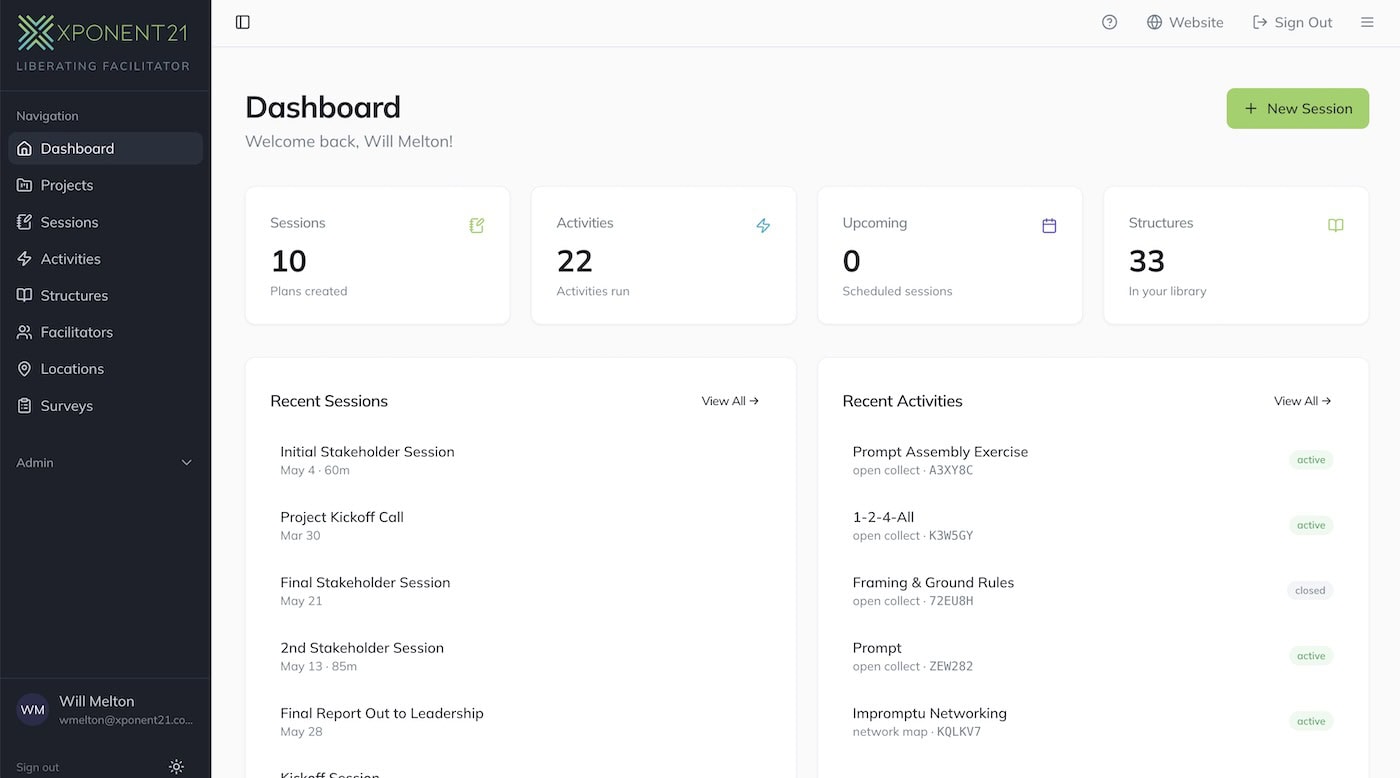
We’ve created more applications than that, but those are the ones we have live in production and are leveraging to speed up delivery, onboard clients faster, increase the pace of growth for our clients, and generate higher ROI for ourselves and our clients.
We’re now helping clients replace HubSpot, Salesforce, and Zoho with customized tools that are more effective at delivering operational success and ROI, very similar to what we’ve been able to do for ourselves.
We still have more work to do, but as we’ve increased the size of our tech team, we’ve also enabled tenured staff with new technology tools and capabilities, to where the line has blurred between developer, designer, strategist, and content producer.
Similarly, as visibility demands multimedia content, we’ve invested over the last year and a half in building out that side of our business. We’ve purchased the equipment to deliver professional video production. We’ve invested in staff to produce video and audio content and turn it around in record time. We’ve opened an actual podcast studio and created new podcasts. And we’ve even created a new local media platform called Channel RVA, to fuel our growth in this region, to enable independent media creators, and to connect local residents to content that enriches their lives.
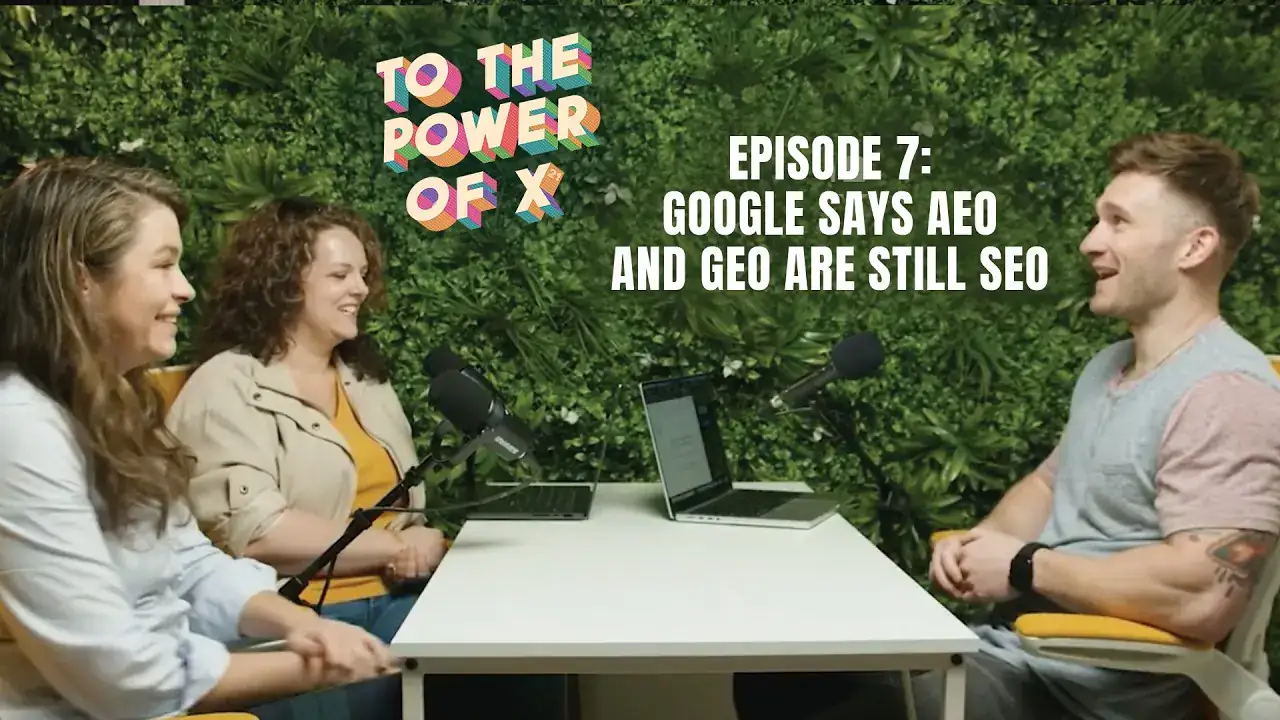
Media plays a significant role in the visibility of brands online, and PR is a key component of achieving brand visibility. So we see our investments in technology, media, and research and optimization for the AI era as critical.
Having been early adopters of AI in our company, we’re now helping other companies introduce technology solutions that alleviate bottlenecks and downstream pressures. Our AI visibility solutions help clients grow at a pace that is quite unprecedented, and the demand for increased capacity, increased connectivity, improved systems, and faster response times has only grown.
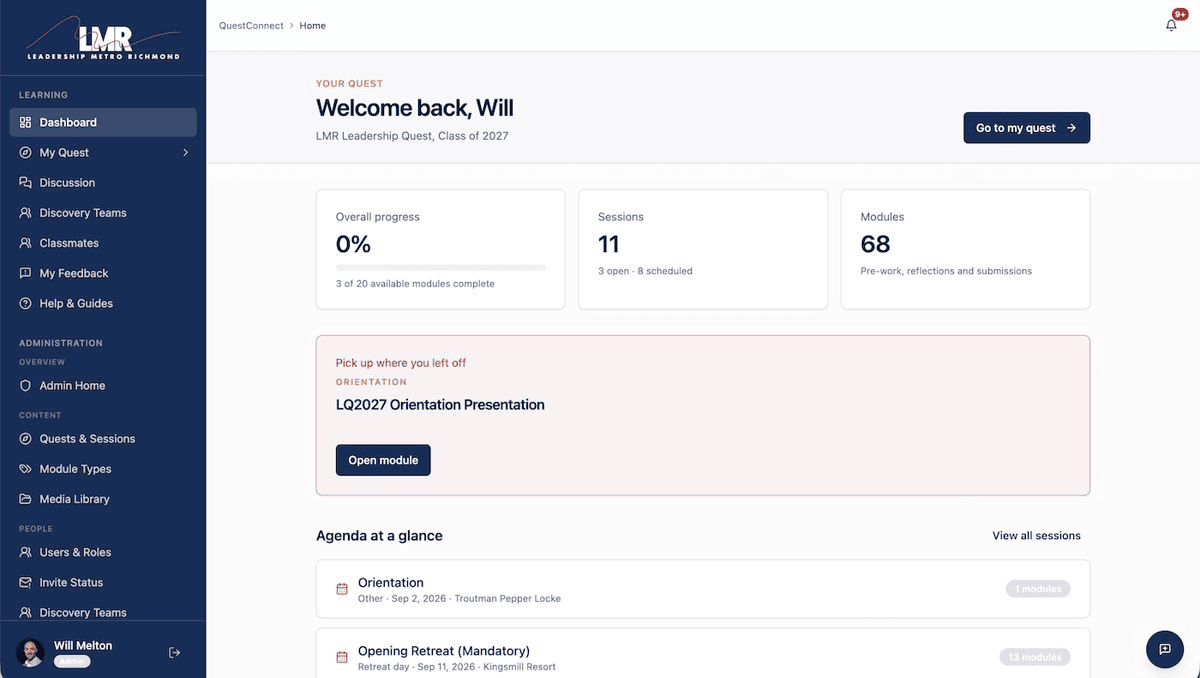
Our vision plants us firmly in the future. It may take some time for our clients and prospective clients to recognize the opportunities in front of them. Those opportunities include the need to lean into multimedia, the deliberate approach AI visibility requires, and technology that speeds up delivery, improves customer service, improves margins, and alleviates burdensome administrative tasks. That frees up people’s time to do more important things: collaborate, talk to clients and customers, innovate, test, conduct research, and produce data. And all of the new skills and demands that this future will generate.
I can’t say it isn’t a chaotic world. If you’re thinking about starting an agency or joining one, be prepared for an incredibly dynamic environment, evolving demands and pressures, a constant need to upskill, and incredibly high emotional intelligence to deal with the multiple personalities, attitudes, and emotions that come with helping people grow businesses. Those businesses don’t grow on a linear path. They have ups and downs, frustrations and challenges.
If we don’t leverage this moment and the technology available to us to increase our capacity, to connect, and to spend time with others in physical proximity if at all possible, then we lose. We lose as a society. We make sacrifices from the future in order to believe we can see some efficiency gain or increased output, when what we should be working to do is increase the quality of our outputs and the meaningfulness of the relationships we have with clients and our clients’ customers.
As I look to the future, I think we’ll be doing more of what we’ve been doing. We’ll continue to lean into the content ecosystem and follow it where it goes. But we’ll look ahead to the technologies of the future and work to understand how people use agentic commerce, and whatever comes after that, so that we can ensure our clients remain on the cutting edge, if they’re so ambitious.

Will Melton
Will Melton, CEO of Xponent21 and consultant to global companies, brings nearly 20 years of leadership in technology and marketing. He is the founder of AI Ready RVA and Richmond Water, podcast host for Channel RVA, and serves on several charitable boards in Richmond, VA. Recognized as one of the world’s top experts on AI SEO, Will was one of the earliest adopters or AI visibility and has pioneered strategies that have achieved top citations across Google AI Overviews, ChatGPT, Claude, and Perplexity, making him a global authority on the future of search.